Is Installing Solar Power Worth It?
For many homeowners and businesses, installing solar power can significantly reduce electricity costs over the long term. However, solar energy is not automatically the most economical choice for every property.
The financial benefit of a solar system depends on several factors, including the local electricity price, available sunlight, system size, installation cost, daily energy consumption, government incentives, and whether battery storage is included.
In general, solar power is often more attractive for properties that:
- Receive plenty of sunlight throughout the year
- Have high or rising electricity prices
- Use a large amount of electricity during the daytime
- Have enough roof space with limited shading
- Plan to remain in the property for many years
- Can benefit from net metering or other solar incentives
A well-designed system can reduce dependence on the grid and provide more predictable energy costs for many years.
How Does Solar Power Help Reduce Electricity Bills?
Solar panels convert sunlight into electricity during the day. This electricity can be used directly by a home, office, factory, warehouse, or commercial building.
When the solar system produces enough power for the property’s needs, less electricity has to be purchased from the grid. This is known as solar self-consumption.
For example, a commercial building may use solar electricity to operate:
- Lighting systems
- Air-conditioning equipment
- Refrigeration units
- Pumps and motors
- Office equipment
- Production machinery
The more electricity a property uses while the solar panels are producing power, the more electricity it may be able to use directly. This can improve the financial performance of the project.
If the solar system produces more electricity than the property needs, the excess power may be sent to the grid, depending on local regulations and the available feed-in tariff or net metering policy.
What Does a Solar Power System Cost?
The total cost of a solar installation includes much more than the price of the panels. A complete system may include:
- Solar panels
- Inverter
- Mounting structure
- Cables and connectors
- Electrical protection equipment
- Installation labor
- System design and engineering
- Permits and grid connection fees
- Monitoring equipment
- Battery storage, if required
The final price depends on the system capacity, product quality, roof structure, installation difficulty, local labor costs, and the type of inverter and battery selected.
A lower initial price is not always the best option. Very low-cost equipment may have a higher degradation rate, shorter warranties, or limited technical support. For a system expected to operate for 25 years or more, long-term reliability is just as important as the upfront purchase price.
How Long Does It Take for Solar Panels to Pay for Themselves?
The time needed to recover the initial investment is called the solar payback period.
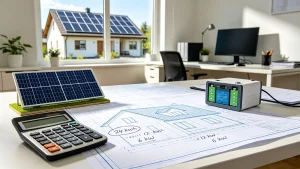
A basic calculation is:
Payback Period = Total System Cost ÷ Annual Electricity Savings
For example, if a solar system costs $10,000 and saves $1,500 in electricity costs each year, the simple payback period would be approximately 6.7 years.
This calculation is only an estimate. A more accurate assessment should also consider:
- Changes in electricity prices
- Solar panel degradation
- System maintenance expenses
- Inverter replacement costs
- Battery replacement costs
- Government rebates or tax incentives
- Income from selling excess electricity
- Financing and interest charges
In some regions, solar systems may achieve a relatively short payback period because electricity prices are high or financial incentives are available. In areas with low electricity prices or limited sunlight, the payback period may be longer.
There is no single payback period that applies to every country or project. A professional system assessment should use local solar radiation data, electricity tariffs, and actual energy consumption.
Which Properties Benefit Most from Solar Power?
Homes with High Electricity Consumption
A household with high electricity usage may save more by installing solar panels, particularly if it uses air conditioning, electric heating, water pumps, or electric vehicles.
Commercial Buildings
Businesses often have a strong opportunity to benefit from solar power because their electricity consumption occurs during the daytime, when solar panels are generating energy.
Retail stores, offices, warehouses, schools, hotels, and factories may use solar power to reduce their operating expenses and protect themselves from future electricity price increases.
Factories and Industrial Facilities
Industrial facilities can have large and consistent energy demand. Even a partial reduction in grid electricity purchases can lead to meaningful long-term savings.
For these projects, it is important to evaluate roof loading, production schedules, power quality, system size, and the relationship between solar generation and factory consumption.
Properties in Areas with Frequent Power Outages
Solar panels combined with battery storage can provide backup power during outages. While a battery may increase the initial investment, backup power can be highly valuable for businesses that cannot afford interruptions.
Is Solar Battery Storage Worth the Extra Cost?
Solar panels generate the most electricity during the day, but many homes use more electricity in the evening. A battery can store surplus solar power during the day and make it available later.
A solar battery may help users:
- Increase solar self-consumption
- Reduce electricity purchases during peak-price periods
- Use solar power at night
- Provide backup power during outages
- Reduce dependence on the grid
However, battery storage also increases the total project cost. Its economic value depends on the difference between daytime and nighttime electricity prices, the number of battery cycles, local outage conditions, and the battery’s warranty.
A battery is often more attractive when:
- The property uses most electricity at night
- Electricity prices vary by time of day
- The grid has frequent outages
- Export payments for surplus solar power are low
- Energy independence is an important goal
For a property with heavy daytime electricity consumption, a solar-only system may offer a better financial return than a system with a large battery.
What Factors Affect Solar Power Savings?
Local Electricity Prices
The higher the grid electricity price, the greater the potential value of each kilowatt-hour generated by the solar system.
Available Sunlight
Solar panels produce more electricity in areas with strong solar resources. Shade from trees, nearby buildings, chimneys, or other structures can reduce system output.
Roof Direction and Angle
The roof’s orientation and tilt affect how much sunlight the panels receive. A professional installer should assess the roof before recommending a system size.
Daily Energy Usage
A property that uses electricity during the day can often achieve a higher self-consumption rate. Energy usage patterns are especially important when deciding whether battery storage is needed.
System Design
The panels, inverter, battery, mounting system, and electrical equipment should be properly matched. An oversized or poorly designed system may not deliver the expected financial results.
Maintenance and Equipment Quality
Solar panels require relatively little maintenance, but dust, snow, leaves, and bird droppings can reduce production. Regular monitoring can also help identify inverter, wiring, or connection problems at an early stage.
Can Solar Panels Increase Property Value?
Solar panels may make a property more attractive to buyers because they can reduce future electricity expenses. A system with a clear installation record, transferable warranty, and reliable performance data may be easier to evaluate during a property sale.
However, the impact on property value depends on the local housing market, ownership structure, system age, financing arrangements, and energy prices. Solar panels should be viewed primarily as an energy investment rather than a guaranteed increase in resale value.
What Should You Check Before Installing Solar Power?
Before purchasing a solar system, consider the following points:
- Annual electricity consumption
- Monthly electricity bills
- Daytime and nighttime energy usage
- Roof size, direction, and condition
- Local sunlight levels
- Grid connection requirements
- Available rebates or tax incentives
- Solar panel degradation rate
- Product and performance warranties
- Inverter service life and warranty
- Battery capacity and cycle life
- Installation and after-sales support
It is also important to compare the total system cost, not just the price of individual solar panels. A reliable supplier should be able to provide system specifications, expected annual energy production, warranty terms, and a realistic savings estimate.
Frequently Asked Questions
Does installing solar panels really save money?
Solar panels can reduce electricity bills by generating power on-site. The actual savings depend on the system size, electricity price, sunlight, energy consumption, and local grid policies.
How many years does it take for solar panels to pay for themselves?
The payback period varies by project. It may be shorter in areas with high electricity prices and strong sunlight, while projects with low power prices or limited solar resources may take longer.
Is solar power worth it without a battery?
Yes. A solar-only system can be worthwhile, especially for homes and businesses that use a significant amount of electricity during the day. A battery is not necessary for every project.
Do solar panels work on cloudy days?
Yes. Solar panels can still generate electricity in cloudy weather, although their output is lower than on a clear day.
Are solar panels expensive to maintain?
Solar panels generally have low maintenance requirements. Periodic cleaning, visual inspections, and system monitoring are usually enough for normal operation.
Is solar power a good investment for a business?
Solar power can be especially valuable for businesses with high daytime electricity demand. It may help reduce operating costs and provide greater protection against rising electricity prices.
Final Thoughts
Installing solar power can be a cost-effective long-term investment, but the result depends on the project’s specific conditions. Electricity prices, sunlight, energy usage, system quality, installation costs, and battery requirements all influence the final return.
The best approach is to assess the property’s actual energy consumption before choosing the system size. For some users, solar panels alone may provide the best payback. For others, adding battery storage can offer greater energy independence and backup power.
A properly designed solar system can reduce grid electricity purchases, lower long-term energy costs, and provide reliable clean power for decades.